
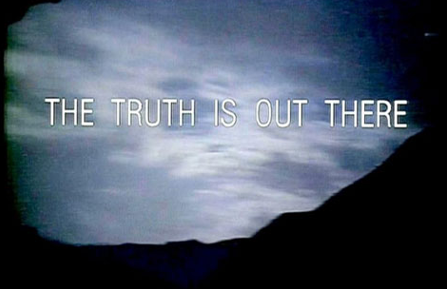
In the late 1990s, a popular television show carried a simple but haunting tagline: “The truth is out there.” Beneath the science fiction and mystery was a familiar human longing—the desire to know what is really real. We still live with that same longing. Truth matters to us. We want honesty from our spouses, clarity from our doctors, and integrity from those we trust. Whether we realize it or not, we all build our lives on what we believe to be true.
The apostle Paul understood this deeply. Writing to the churches in Galatia, he expresses shock that believers were so quickly abandoning the truth of the gospel for a distorted version. (Galatians 1:6) For Paul, truth was not an abstract idea—it was the foundation of salvation and the basis for how we should live our lives.
So what is truth? Jesus once stood before Pontius Pilate and declared that He came into the world to testify to the truth. Pilate’s response “What is truth?” still echoes today. It was the late RC Sproul who defined truth as ‘reality as God sees it.’ Truth is not invented, negotiated, or voted on. It is what conforms to God’s character and revelation.
That leads to the next question: where does truth come from? Paul is unmistakably clear. The gospel he preached was not of human origin. He did not discover it through study or tradition; he received it by revelation from Jesus Christ. (Galatians 1:11-12) God, who is infinite, must reveal Himself to finite humanity if we are ever to truly know Him. Left to ourselves, we may accumulate knowledge, but we will never arrive at saving truth.
This is why the gospel matters so deeply. The truth Paul proclaimed was that all people are separated from God by sin, that salvation is found in Christ alone, through faith alone, and that this good news is offered freely to all—Jew and Gentile alike. Any message that adds to or subtracts from this truth is not simply a harmless variation; it is a dangerous distortion.
One of the best lines from X-files is when Scully (the skeptic) turns to Mulder and says “the truth is out there but so are lies.” Paul repeatedly warned the church about false teaching. Some suppress the truth because it challenges how they want to live. (Romans 1:18) Others twist it to gain influence or comfort. (Acts 20:30) Still others exchange God’s truth for something more palatable. (Romans 1:25) The result is always the same—lives slowly drifting away from sincere devotion to Christ.
So how should we respond to truth? Scripture calls us to stand firm and hold fast. (2 Thessalonians 2:15) Truth is not merely something to agree with; it is something to live in. The Holy Spirit continues to guide believers into truth—not by revealing new truth, but by helping us understand, apply, and obey what God has already given.
The direction of your life depends on what you believe is true. Test what you accept. Examine what you assume. Anchor yourself again in the gospel. The truth is not just “out there.” In Christ, it has been revealed—and it changes everything.
Ted Harris
Associate Pastor